
Munich’s demand for Commercial Counsel is being driven by more than its traditional strength in automotive, engineering and life sciences. The city has developed into one of Europe’s most valuable technology ecosystems, combining established industrial groups, international technology companies and a growing generation of AI, software, defence and deep-tech businesses.
Munich-based startups and scaleups now employ approximately 43,000 people across the metropolitan area, an increase of around 15% since 2023. The combined value of the city’s startup ecosystem has grown roughly fivefold over the past decade to an estimated €164 billion, with companies including Celonis, Personio and Helsing contributing to that growth.
The supporting infrastructure is unusually strong. UnternehmerTUM, the entrepreneurship centre connected to the Technical University of Munich, was ranked Europe’s leading startup hub by the Financial Times for the third consecutive year in 2026. It has supported more than 1,000 startups since its creation, while businesses within its wider network raised more than €1 billion during 2025 alone.
This ecosystem is one reason international technology groups have chosen Munich for strategically important European operations.
Apple has made the city home to its European Silicon Design Center and describes Munich as its largest engineering hub in Europe.
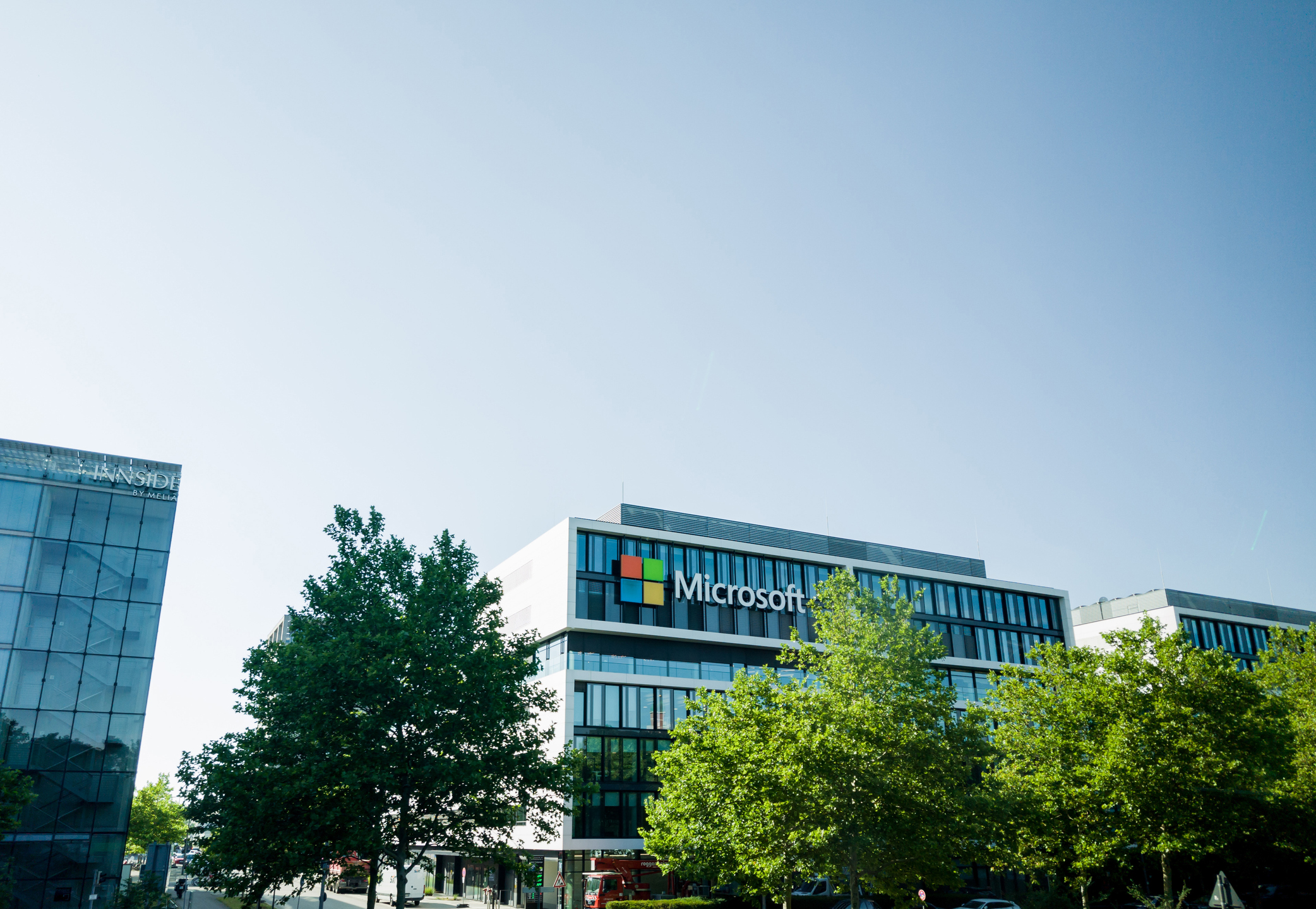
Microsoft runs its German headquarters from Munich, while Google established its first Safety Engineering Center in the city, making Munich a global centre for its privacy and security engineering work. IBM also selected Munich as the global headquarters of its Watson Internet of Things division, bringing together around 1,000 developers, researchers, designers and consultants when the centre was launched.
The next generation of AI companies is following. In November 2025, Anthropic announced a Munich office as part of an expansion of its European operations, alongside Paris. The company said its EMEA business had become its fastest-growing region, with regional revenue increasing ninefold over the preceding year.
Munich is therefore not simply attracting local startups. It is becoming a location where international businesses place engineering teams, product functions, regional leadership and commercially important European operations.
The Hiring Surprise International Companies Rarely Expect
We've noticed a remarkably consistent pattern when working with international technology businesses.
The hiring manager is often based in London, New York or San Francisco.
Germany is one part of a wider European expansion.
Naturally, their expectations are shaped by the employment market they know.
They expect recruitment to take six to eight weeks.
Instead, they discover the recruitment process may indeed take six weeks - but the successful candidate still has another three months before they can leave their current employer.
The surprise isn't finding the right lawyer.
It's discovering when that lawyer can actually start.
Why German Notice Periods Change Your Hiring Strategy
For international hiring teams, one of the most important things to understand is that a three-month notice period is not unusual in Germany. For experienced in-house lawyers, it is often the norm.
This means the candidate you hire will usually not be able to start three months after accepting your offer. The notice period typically only begins once they have formally resigned from their current role, which usually happens after the employment contract has been signed.
The wording of the notice clause also matters.
Some contracts require three months’ notice to the end of a calendar month. Others require three months’ notice to the end of a calendar quarter. The difference can add several weeks to the candidate’s actual start date.
For example, a lawyer who resigns in mid-May under a three-month month-end notice period may be able to leave at the end of August.
Under a three-month quarter-end clause, that same lawyer may not be able to leave until the end of September.
Add a six-week recruitment process before the offer is accepted and the total timeline can quickly reach five or six months:
- Six weeks to identify, interview and secure the candidate.
- Time to finalise and sign the employment contract.
- Three months or more for the candidate to complete their notice period.
- Additional delay if the contract is tied to month-end or quarter-end.
Hiring teams should therefore distinguish between two separate timelines: the time required to make the hire and the time required for the hire to start.
A successful search may conclude in six weeks, but that does not mean the lawyer will join six weeks later.
This is particularly important when replacing an existing team member. If recruitment only begins after someone resigns, there may be little or no overlap between the outgoing lawyer and their replacement. In some cases, the legal team could be operating with reduced capacity for several months.
Earlier release dates can occasionally be negotiated, but they should be treated as a possibility rather than the basis of the hiring plan. Current employers are under no obligation to shorten an agreed notice period, particularly when the departing lawyer holds important knowledge or manages significant commercial work.
The practical lesson is simple: work backwards from the date you need the lawyer in the business.
If you need a Commercial Counsel to start in September, beginning the search in July is likely to be too late. For an experienced candidate already in employment, the process may need to begin in March or April.
For German employers, these timelines are familiar. For an international GC or hiring team making their first hire in Germany, they can fundamentally change how the role needs to be planned.
Planning to Hire a Commercial Counsel in Munich?
At Deep Blue Recruitment, we specialise exclusively in legal recruitment across Germany. We've supported international technology businesses - including AI-first SaaS companies, venture-backed scale-ups and global corporates - hire Commercial Counsel to support enterprise sales, go-to-market strategy and expansion across Germany and Europe.
Beyond identifying exceptional candidates, we help hiring teams understand the realities of the German market, from notice periods to candidate availability and salary expectations.
If you're considering hiring a Commercial Counsel in Munich, or simply want an honest view of the market before launching a search, we'd be happy to share what we're seeing. Even if you're six months away from hiring, an early conversation can help you plan ahead and avoid the surprises that catch many international hiring teams off guard.
Get in touch with Deep Blue Recruitment to discuss your hiring plans or learn more about hiring Commercial Counsel in Munich.
Advice for Recruiting and Retaining Legal Talent
Practical insights from specialist legal headhunters to help you build and keep a strong legal team.